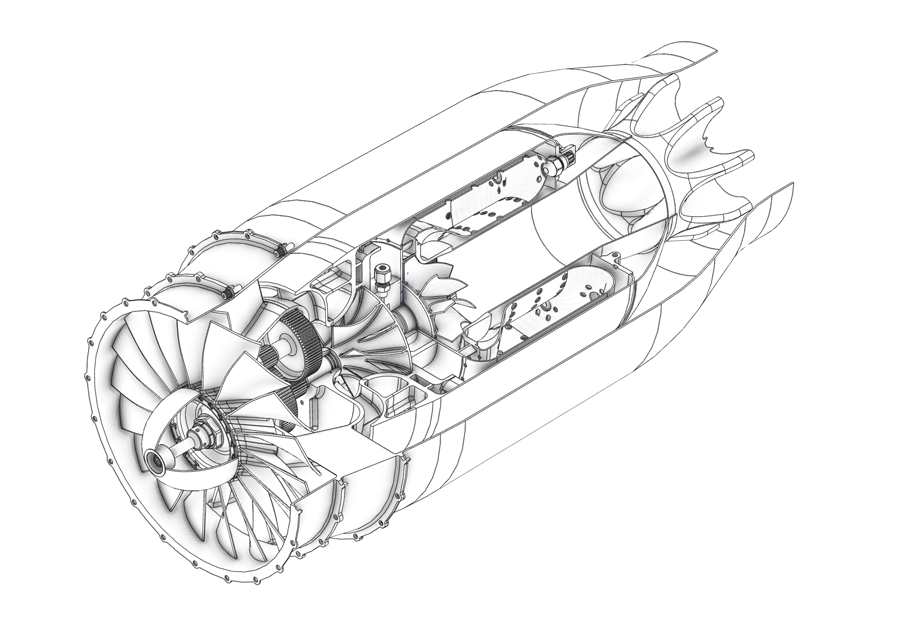
Ever since I made my first turbofan in 1996, I have been interested in the fuel efficiency benefits of turbofans. I have always enjoyed the simplicity of my turbojet engine designs, but their fuel economy is certainly a limiting factor in their performance. Over the years I have iterated a number of turbofan designs with the intent of making a small, fuel-efficient turbofan that could be applicable to general aviation or small aircraft use. I designed this engine to produce about 240 pounds of thrust while still maintaining a small diameter (around 9-inches overall). The fuel consumption would likely be in the 0.6-0.7 lbm/lbt/hr range. I plan to continue iterating subtle variations of this engine.
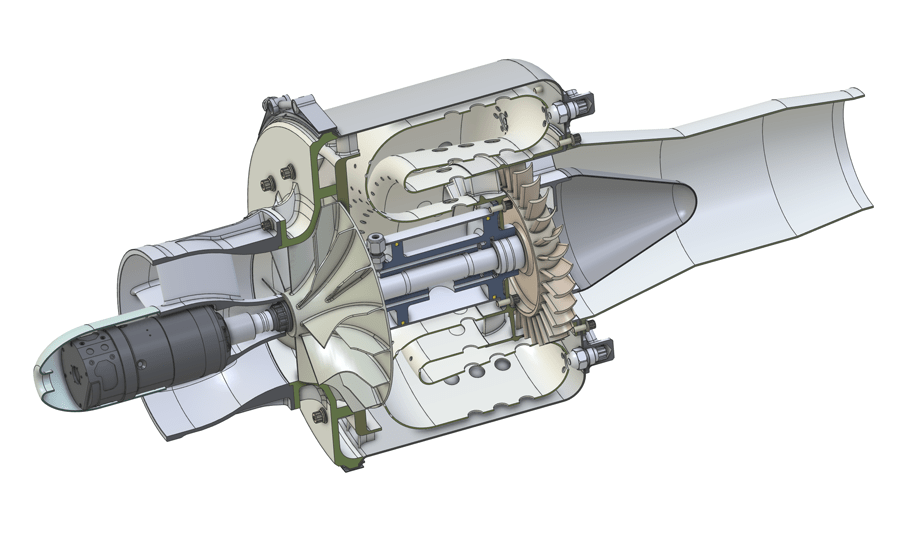
This was a quick design study that I did to flush out the details of a 200-pound thrust turbojet that I was designing in the background for several years. This engine incorporates a medium compression ratio centrifugal compressor and a reverse flow annular combustion chamber with high pressure fuel injection. The intent was to design an engine with a layout and packaging that could be practical for small aircraft applications. The engine has high pressure recirculating oil and an integrated starter generator in the nose.
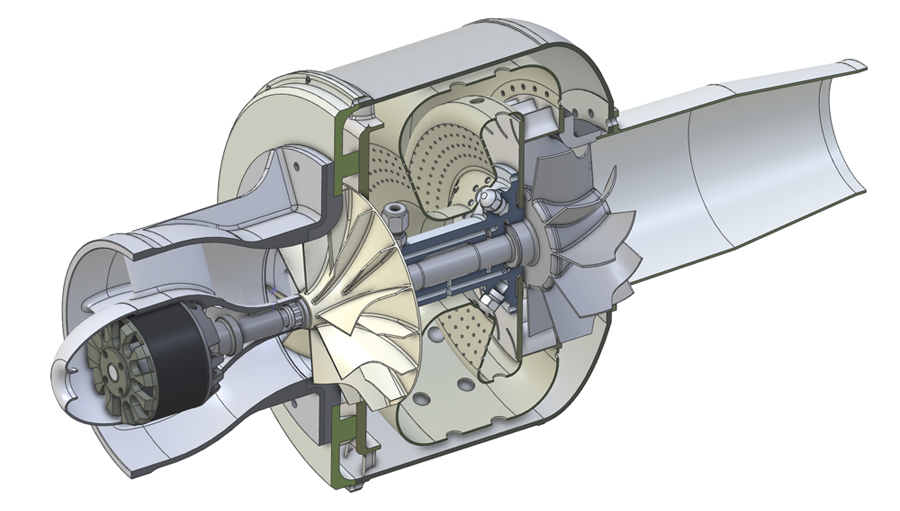
This is a small 110 lb thrust prototype turbojet engine design that I have been iterating on the side for some years. I recently decided that I’d give it a little more thought and attention. It’s in the same thrust range as my previous JA103 turbojet engine, but it is physically smaller and the deign details are a bit more refined. The design also takes advantage of new manufacturing methods that I did not have experience with during my previous JA103 build. At this time, I’m not sure if I will build this engine or not as I have several other engine designs in work.
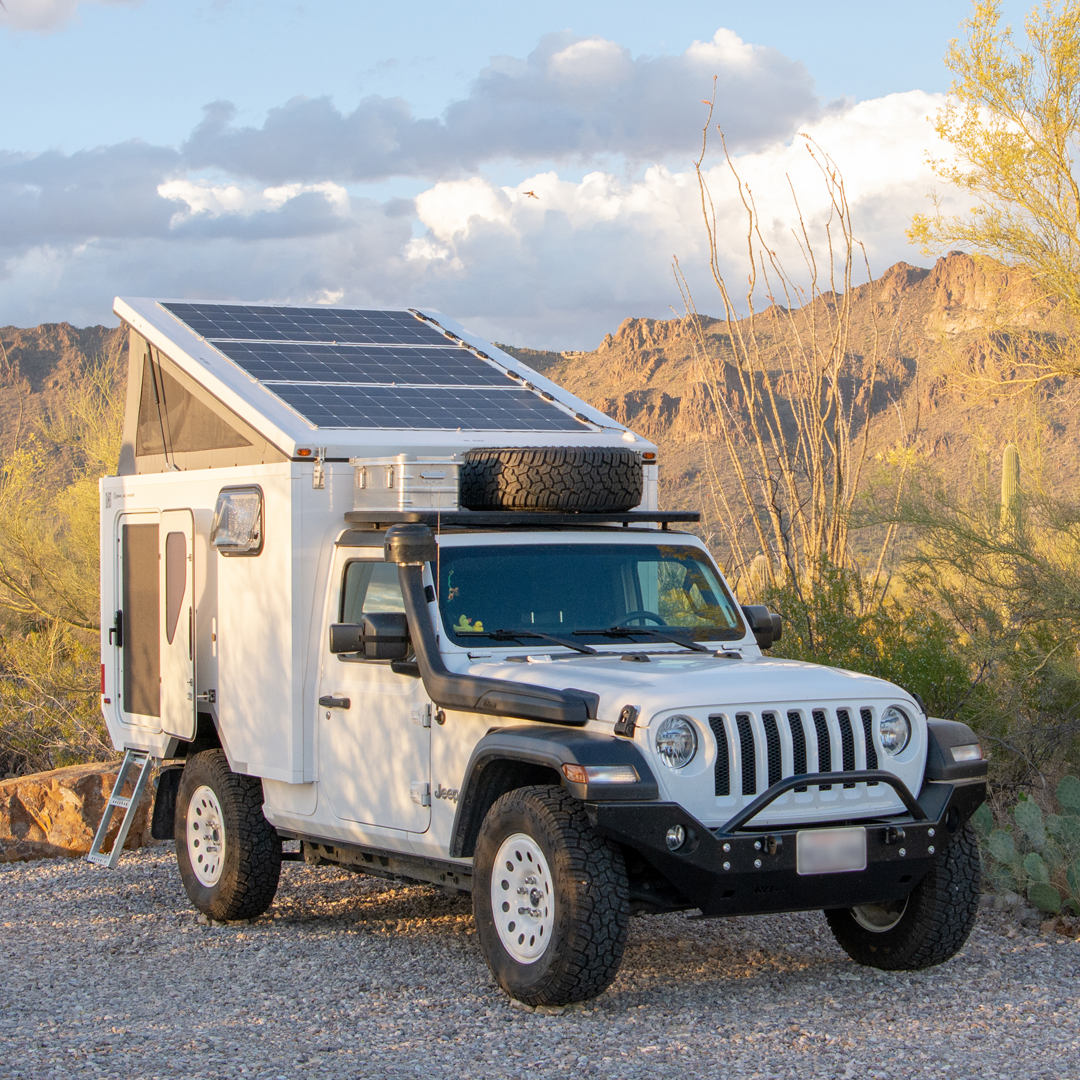
After we sold our Unimog, I wanted to design a smaller overland vehicle that had the same basic comforts of our Unimog habitat, but that would fit in a sea container for overseas shipping. After considering many chassis, I decided to design the camper around a modern Jeep JLU Wrangler. During the design phase, a professional traveler friend asked if I would make a copy of the camper for him, so I built two identical camper boxes, and he and I separately fitted out the chassis and camper interiors differently to suite our personal needs. I fabricated the camper shells predominantly from carbon fiber to meet my strict weight goals.
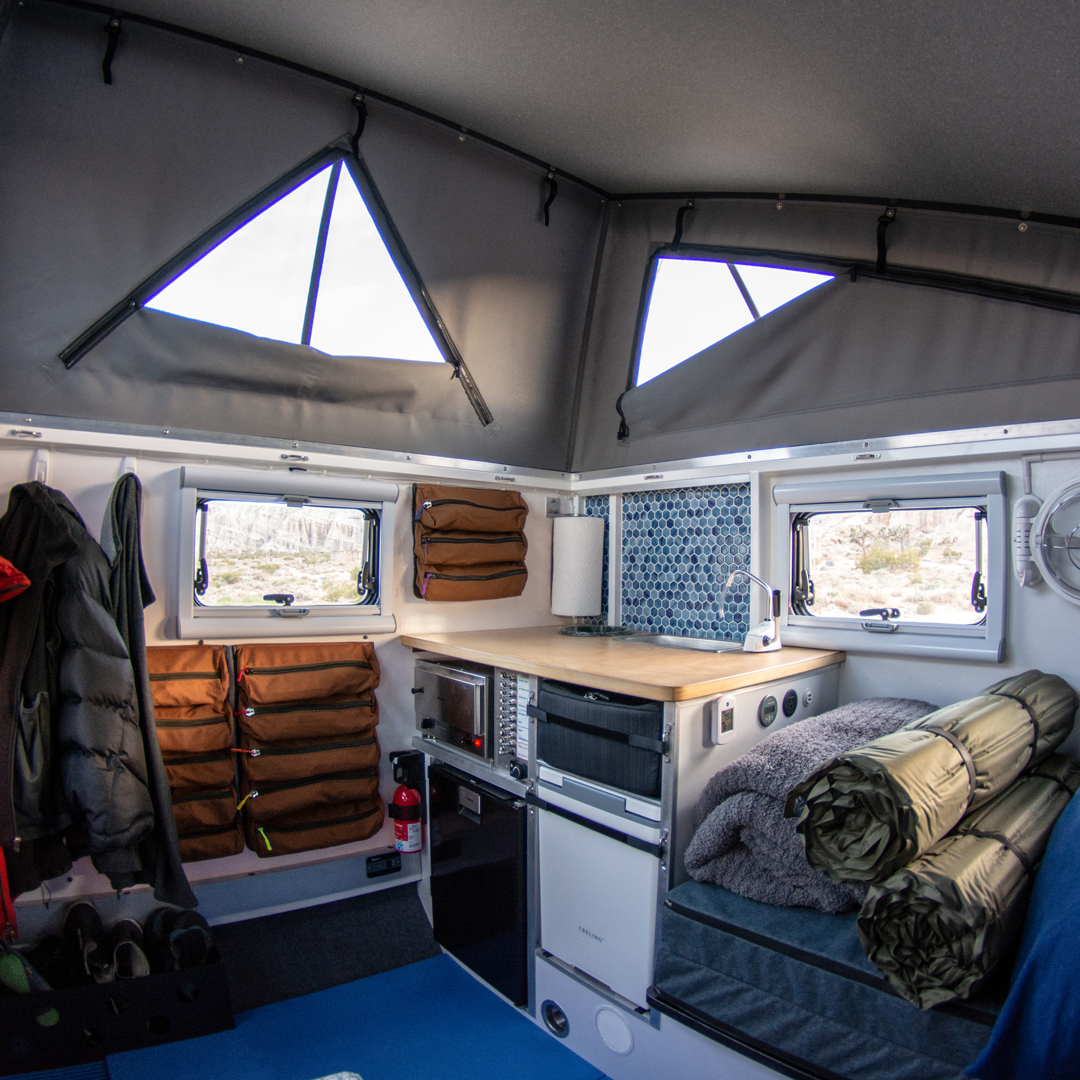
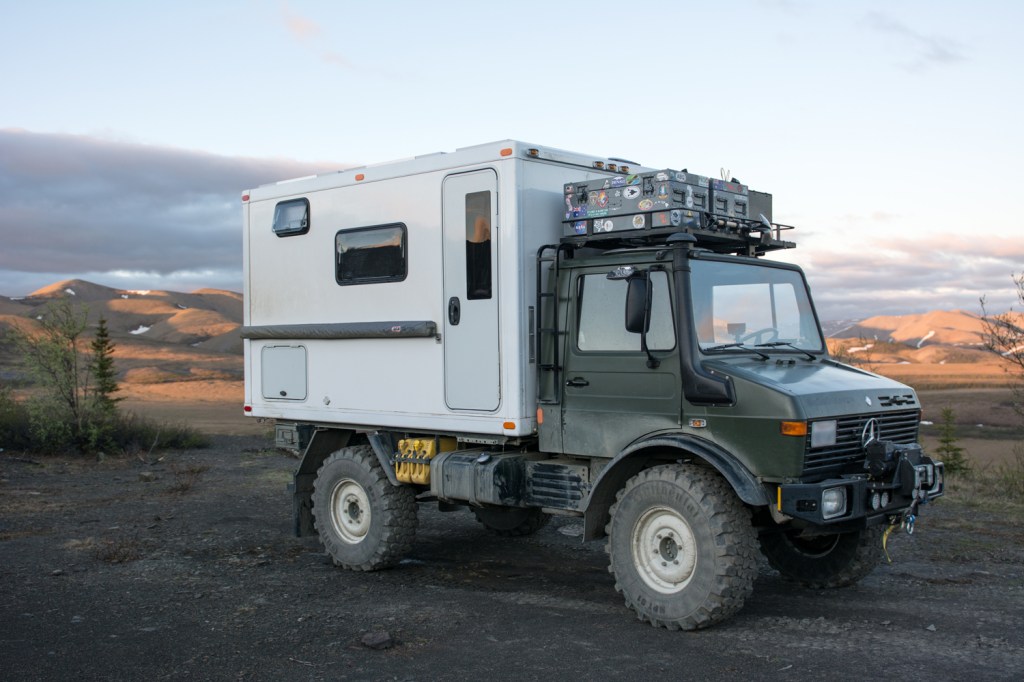
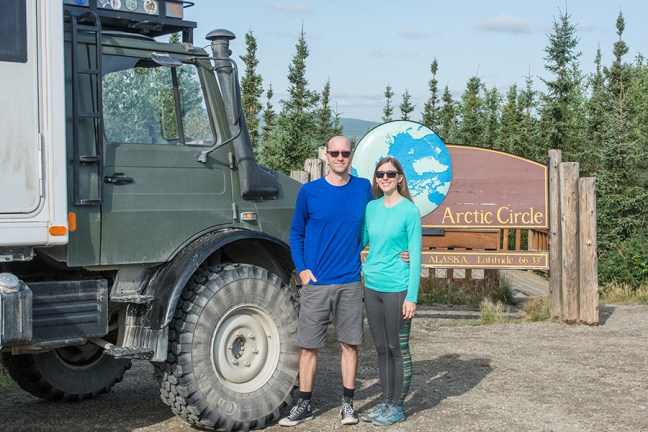
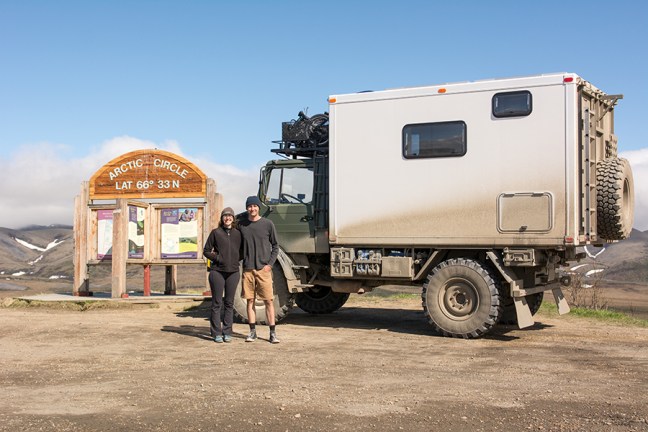
This was an expedition truck design and build project that I completed over an 18 month span with my wife Yvonne. The goal of the project was to build and travel in a custom four-wheel drive expedition truck. We took the vehicle on a 5 month trip to the arctic in 2019.
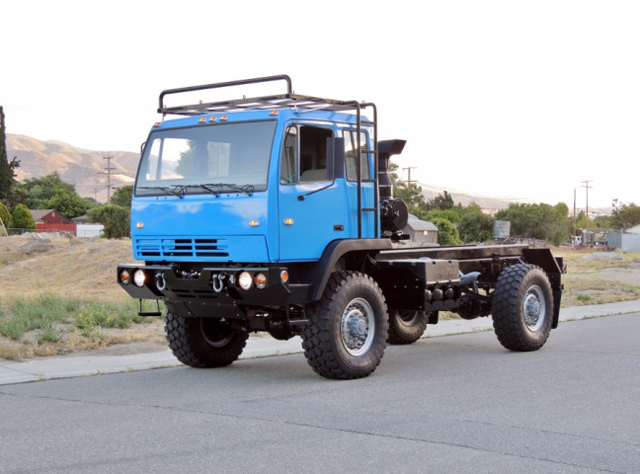
This was a joint project with my wife Yvonne. The goal of the project was to refurbish a surplus military LMTV for civilian use as a chassis for an expedition truck. At the completion of the refurbishment, we sold our freshly finished vehicle. A full description of the refurbishment can be found on our project blog: fuchsiafoxexpedition.wordpress.com.
This project was to design and build a one-off, stable/docile, open, two-place gyro with good visibility for fun local flying and short cross country flights. After flying different gyroplanes for comparison, and months of iterative design, I built the fuselage as a seamless carbon fiber shell molded over a removable CNC milled foam male tool. The gyro is now being finished by a gyro enthusiast in Oregon.
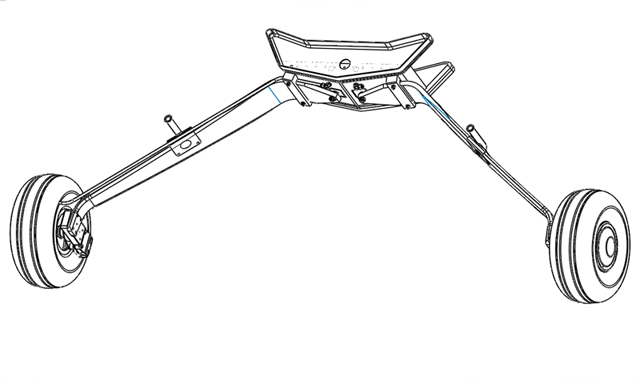
This project was the design of a spring steel landing gear for the tandem tractor gyroplane that I was concurrently developing at the time. The main landing gear were modified Cessna 140 landing gear legs. I used iterative Finite Element Analysis to tailor the leg spring stiffness to produce the desired deflection at max landing weight and landing descent rates. I milled the width of the gear legs down to the specific analyzed dimensions. The gear was sized per configuration applicable FAR23 load cases.
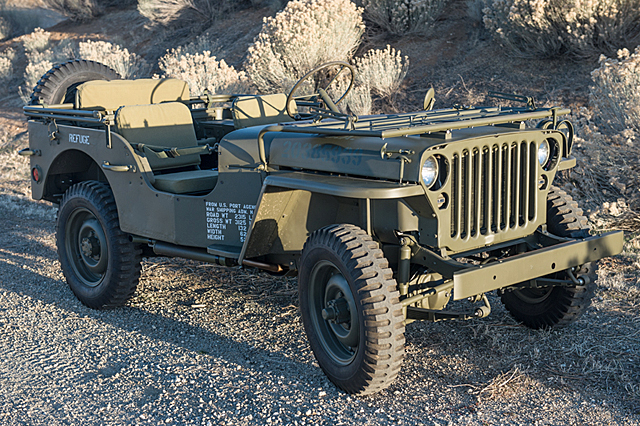
This was a complete restoration that I did of a 1943 Ford GPW WWII army jeep. This particular GPW was originally used by the US Army Corps of Engineers in Los Alamos, New Mexico during WWII on the Manhattan Project. I took every part down to clean metal and repainted with period correct paints. No body filler was used. I rebuilt or replaced every system component and returned the electrical system to its original 6 volts. The project took almost a year and a half of diligent work, but overall it was very satisfying to make every part clean, new, and historically correct.












 Michael Fuchs Personal Projects